
Frisco TX Homes for Rent: A Comprehensive Guide for Renters in 2026
Frisco’s rapid growth and strong schools continue to draw renters from across North Texas. According to U.S. Census QuickFacts, roughly 65% of Frisco housing units are owner-occupied, implying about 35% are renter households, based on 2020 data. That share produces a competitive but navigable rental market with a mix of single-family homes, townhomes, and luxury apartments. Understanding neighborhoods, pricing, commute patterns, and school options helps renters align monthly budgets with long-term plans.
How Competitive Is the Market for Frisco TX Homes for Rent in 2026?
Frisco’s population has climbed into the range of 215,000 to 230,000 residents, according to U.S. Census QuickFacts, and that growth directly affects rental demand. Transplants targeting jobs near The Star in Frisco, Stonebriar Centre, and the growing PGA Frisco campus often prioritize quick access to the Dallas North Tollway. This concentration of interest keeps desirable three-bedroom homes near Preston Road or Eldorado Parkway in short supply, particularly in spring and early summer leasing cycles.
According to current listings tracked by Zillow, many single-family Frisco TX homes for rent fall between $2,300 and $3,200 per month as of late 2024, with some larger properties above $3,800. Apartments.com reports that amenity-rich communities around Warren Parkway and Lebanon Road often command effective rents between $1,600 and $2,200 for one- and two-bedroom layouts, based on current surveys by Apartments.com. This tiered structure gives renters clear tradeoffs between size, finishes, and proximity to major employment nodes.
Vacancy rates remain relatively low near Frisco Square and along Main Street, where walkable access to restaurants and events at Toyota Stadium increases appeal. According to market observations compiled by Zillow, desirable listings in these central locations often secure signed leases within 15 to 25 days. By contrast, homes closer to Panther Creek Parkway or further north toward U.S. 380 can linger closer to 30 to 40 days, offering slightly more room for negotiation on rent or move-in timing.
Which Frisco Neighborhoods Offer the Best Balance of Schools and Amenities?
School access remains a defining factor for many households evaluating Frisco TX homes for rent. Frisco Independent School District serves the city with campuses such as Frisco High School, Wakeland High School, Liberty High School, Centennial High School, and Lone Star High School. According to Niche, Frisco ISD holds one of the stronger overall ratings in Texas, supported by student-teacher ratios that commonly range between 14:1 and 17:1. Neighborhoods zoned to multiple highly rated schools often command noticeable rent premiums.
According to Frisco ISD, the district operates more than 70 campuses, including numerous elementary schools near Frisco Commons Park, Harold Bacchus Community Park, and Cottonwood Creek Park. Renters prioritizing shorter school commutes frequently concentrate searches around Main Street, Coit Road, and Rolater Road, where clusters of elementary and middle schools sit within one to three miles of many subdivisions. This pattern keeps rental homes in these pockets particularly competitive each July and August.
Late afternoons around Frisco Commons Park often carry the sound of children playing on the splash pad and the soft hum of traffic along McKinney Road. The scent of barbecue drifts from nearby Rudy’s on Dallas Parkway, mixing with fresh-cut grass from the athletic fields. As the sun drops behind City Hall in Frisco Square, apartment balconies glow gold, and the faint roar from Toyota Stadium crowds occasionally ripples across the neighborhood, signaling another busy evening in central Frisco.
What Types of Rental Properties Dominate Frisco TX Homes for Rent?
Frisco offers a broad spectrum of rental property types, from garden-style apartments to master-planned subdivisions of single-family homes. According to property counts compiled by Apartments.com, multifamily communities add several thousand units across corridors like Warren Parkway, John Hickman Parkway, and Stonebrook Parkway. These communities typically feature pools, fitness centers, and coworking lounges, with one-bedroom floor plans often ranging from 650 to 850 square feet and two-bedroom layouts extending toward 1,100 square feet or more.
Single-family rental homes become more prevalent north of Eldorado Parkway and along Teel Parkway, where master-planned neighborhoods include community pools, playgrounds, and walking trails. According to listing data aggregated by Zillow, many three-bedroom homes here offer between 1,700 and 2,300 square feet, while four-bedroom plans often push past 2,600 square feet. Investors frequently target these areas because modern construction standards and energy-efficient features lower long-term maintenance and utility burdens.
Evening walks through the neighborhoods near Panther Creek Parkway and Hillcrest Road often feature the soft rustle of leaves along wide sidewalks and porch lights flickering on in sequence. The air carries a faint aroma of grilled fajitas from local spots near Preston Road, while sprinklers drum quietly against well-kept lawns. Streetlights reflect off smooth concrete along Independence Parkway, and the distant glow from PGA Frisco and Omni PGA Frisco Resort paints a subtle halo on the northern horizon.
How Do Commute, Transit, and Walkability Influence Frisco Rentals?
Frisco remains a car-dependent city, but commute patterns still vary significantly by neighborhood. According to Walk Score, Frisco posts an overall Walk Score around 27, with higher scores in denser pockets near Frisco Square and Stonebriar Centre. Residents in those areas often enjoy walking distances under half a mile to restaurants at The Star in Frisco or retail along Gaylord Parkway. In contrast, northern subdivisions typically prioritize wider lots and quieter streets over walkable access to entertainment.
The Dallas North Tollway and Sam Rayburn Tollway remain the primary commuter arteries for residents working in Dallas, Plano, or Legacy West. According to travel-time estimates compiled by City-Data, rush-hour drives from central Frisco to downtown Dallas can range from 35 to 55 minutes, depending on traffic. Those heading to employment centers along Headquarters Drive and Legacy Drive often see commute windows between 10 and 25 minutes, making rentals near Warren Parkway particularly attractive for minimizing daily drive times.
Public transit options remain limited, as Frisco sits outside the DART rail network. However, the city and private operators periodically pilot on-demand shuttle and rideshare partnerships near key destinations like Stonebriar Centre, Toyota Stadium, and the Frisco Discovery Center. According to program summaries on the City of Frisco website, these initiatives aim to reduce parking congestion during major events and provide alternative connections for residents who prefer not to drive every day.
What Budget Planning Considerations Matter Most for Frisco Renters?
Budget planning for Frisco TX homes for rent extends beyond advertised monthly rent. According to estimates from Apartments.com, many apartment communities charge application fees between $50 and $100 per adult, along with security deposits frequently equal to half or a full month’s rent. Single-family homes listed on Zillow often require pet deposits ranging from $300 to $500 per pet, plus nonrefundable pet fees in some cases.
Utility costs also deserve attention. According to averages compiled by Numbeo, combined electric, water, and basic trash services for a standard apartment in Frisco often land between $140 and $210 per month, depending on square footage and seasonal air-conditioning usage. Internet service through major providers typically ranges from $60 to $95 monthly. Aggregating these figures helps renters understand the true cost difference between a smaller apartment and a larger single-family home with higher cooling demands.
Some households also factor in lifestyle spending around Stonebriar Country Club, the Frisco Athletic Center, and local restaurants at The Rail District along Main Street. Bistro dinners near The Common Table at The Star in Frisco or coffee runs along Coleman Boulevard can add another $150 to $300 in monthly discretionary spending. For renters targeting eventual homeownership, tracking these discretionary categories often clarifies how much can be redirected toward future down payment savings without sacrificing quality of life.
The roughly 35% renter share cited at the start of this guide reflects a substantial, ongoing role for leased housing within Frisco’s broader market. That figure from U.S. Census QuickFacts underscores how rental homes serve both long-term residents and recent arrivals seeking flexibility. The MetroTex Association of Realtors regional data dashboard provides one of the clearest views into changing inventory and pricing across North Texas suburbs, including Frisco. Renters who monitor listings weekly and submit complete applications within 24 to 48 hours of identifying suitable properties before the late-spring leasing surge consistently secure stronger terms, while those who delay often confront higher monthly rents, reduced concessions, or fewer acceptable school-zone and commute combinations.
FROM OUR BLOG
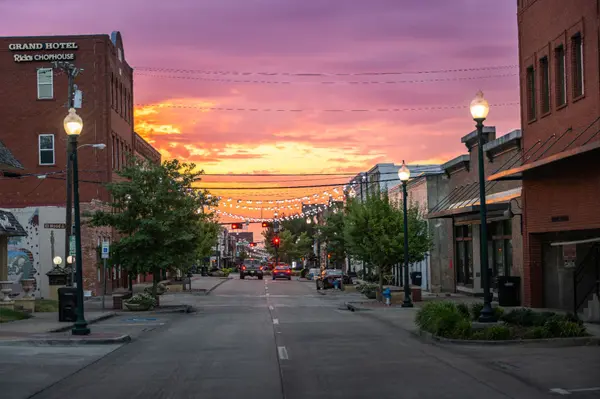
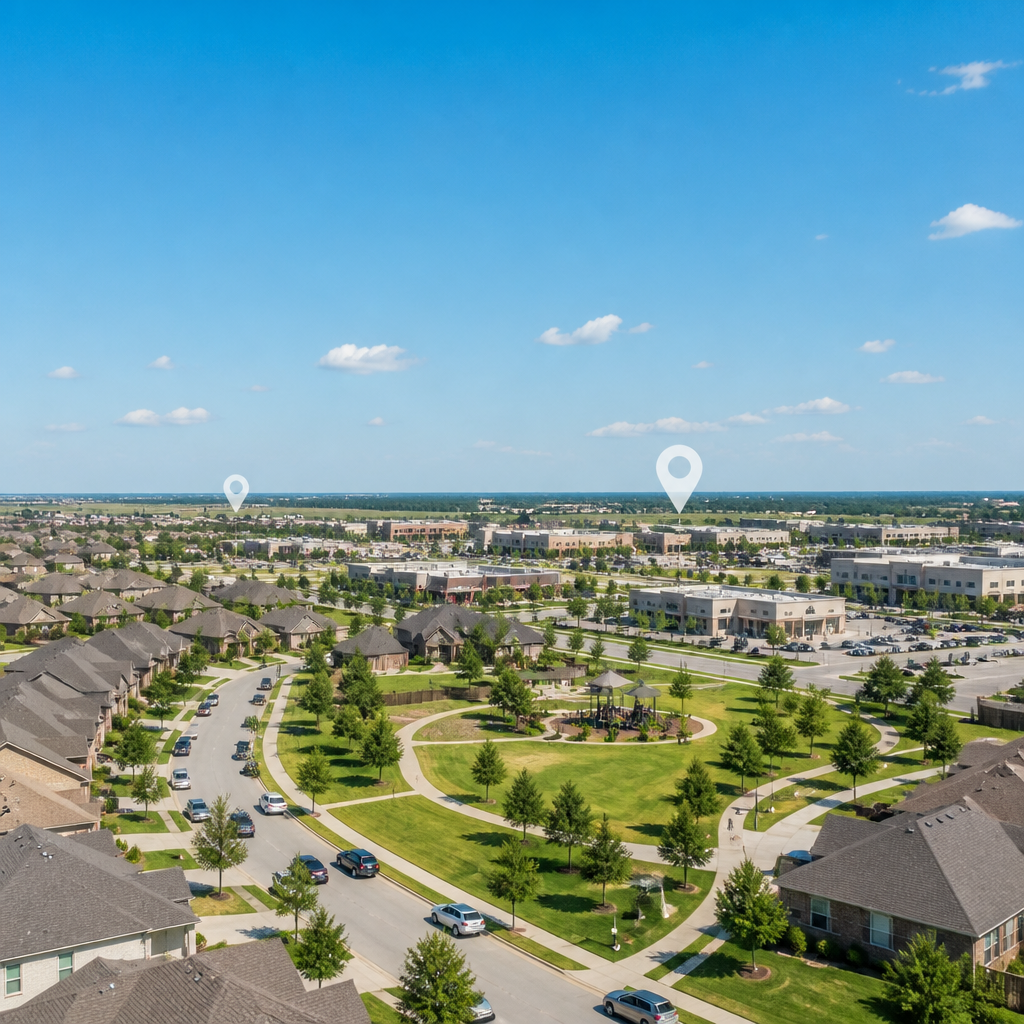
Discover Prosper TX: Your Ultimate Neighborhood Guide for 2026
Discover Prosper TX: Your Ultimate Neighborhood Guide for 2026 Prosper has transformed from a small farm town into one of North Texas’s fastest-growing communities, attracting families and professionals seeking space, schools, and strong amenities. According to the U.S. Census Bureau, Prosper’s popu
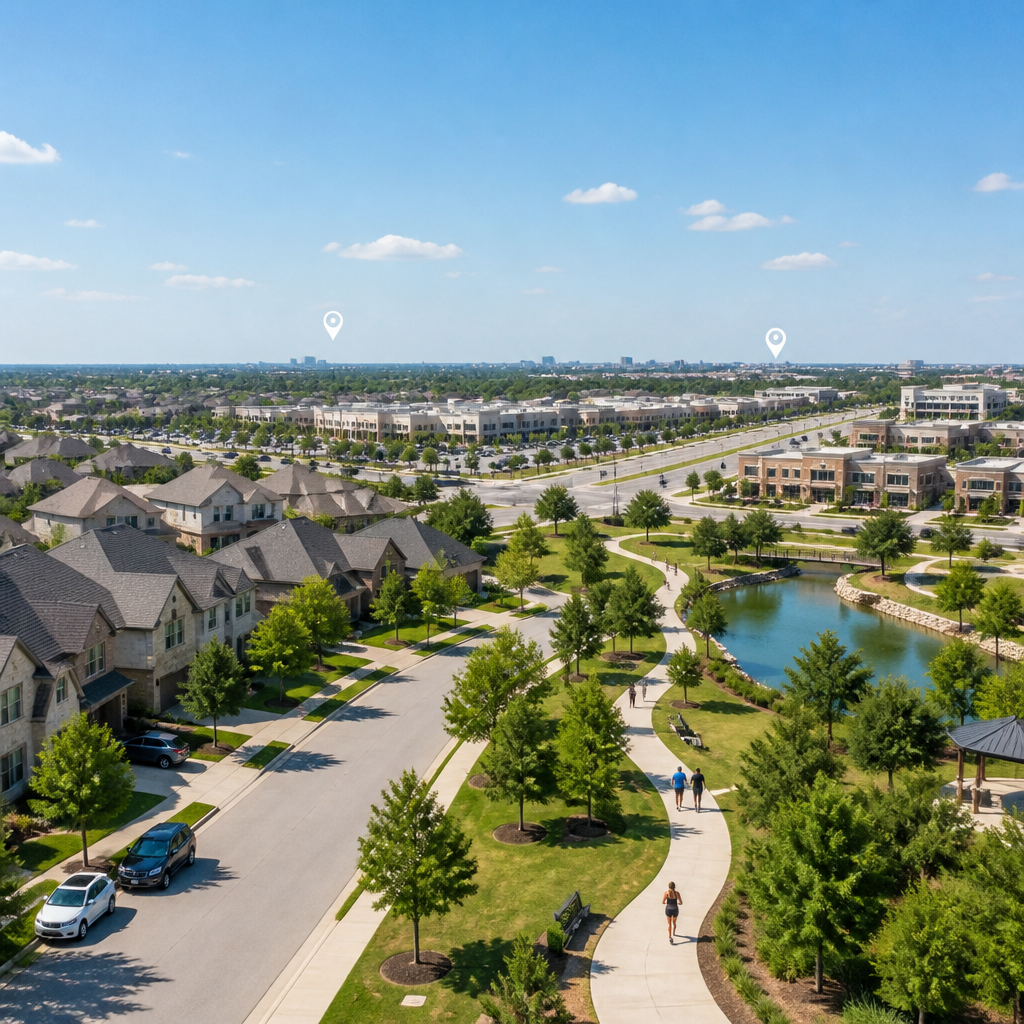
Moving to Allen TX: Essential Tips and Neighborhood Insights for 2026
Moving to Allen TX: Essential Tips and Neighborhood Insights for 2026 Moving to Allen TX in 2026 positions households in one of Collin County’s most closely watched suburbs. According to U.S. Census QuickFacts, Allen’s population recently exceeded 111,000 residents, reflecting sustained growth over
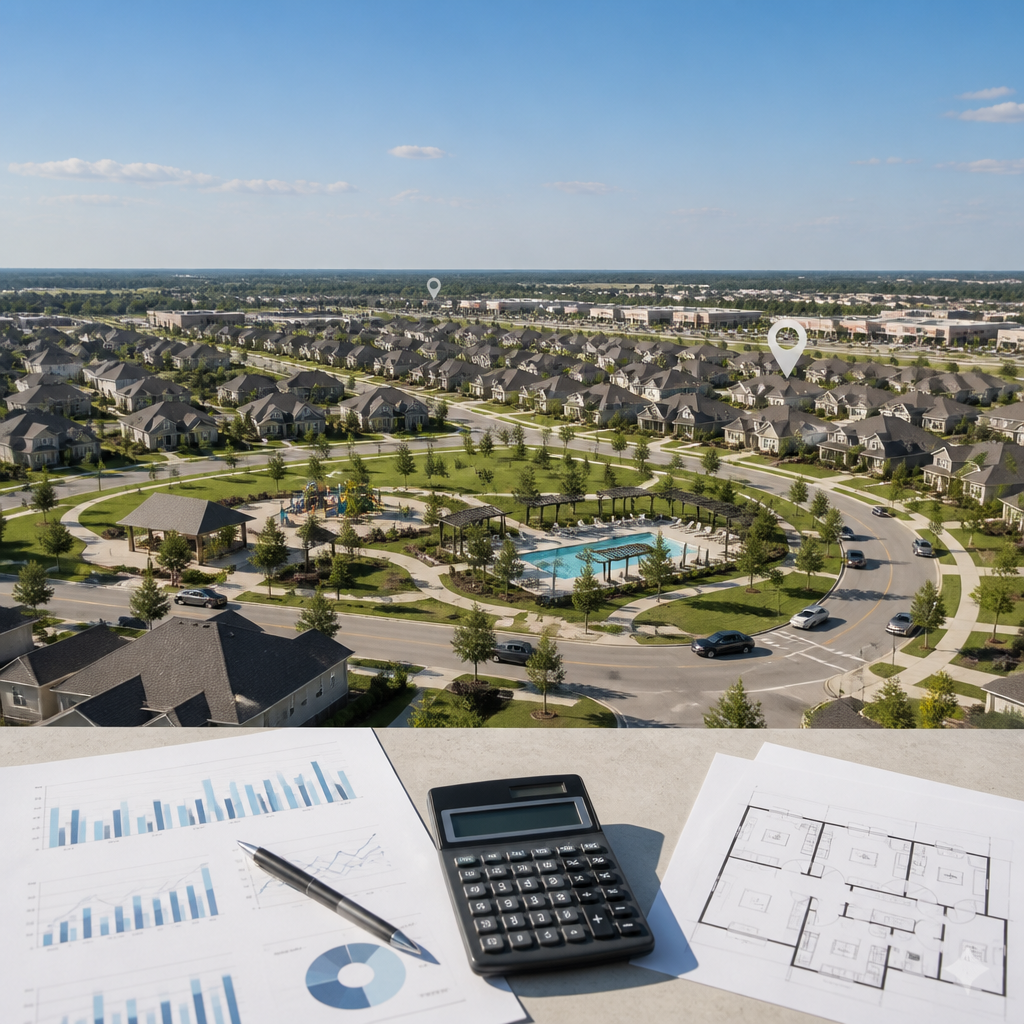
Top Property Management Services in Celina TX: What You Need to Know
Top Property Management Services in Celina TX: What You Need to Know Celina continues to rank among North Texas’s fastest-growing cities, with population increasing more than 200% between 2010 and 2020, according to U.S. Census QuickFacts. That surge has pushed demand for rentals along Preston Road,